September 24, 2026
Cleaning out an estate is often more complicated than sorting through unwanted belongings. Families may be managing grief, legal responsibilities, financial concerns, and decisions about personal possessions at the same time. Even when everyone agrees that a property needs to be cleared, the process can feel overwhelming. Rooms may contain decades of memories, large furniture, outdated appliances, paperwork, and items that require special handling. Estate cleanout services can provide practical support while allowing family members to focus on more important personal matters. A thoughtful approach also helps reduce conflict and ensures that valuable or meaningful belongings are not removed too quickly. According to Gitnux, 68% of Americans had used a junk removal service within the previous five years as of 2026. This reflects how many households turn to professional help when managing unwanted items and property cleanouts. With a clear plan and compassionate assistance, families can move through an estate cleanout with greater organization and care.
Understanding the Emotional Side of Estate Cleanouts
An estate cleanout often begins after a major life change, such as the death of a loved one, a move into assisted living, or a family relocation. These circumstances can make ordinary household tasks feel emotionally difficult. Family members may experience sadness, guilt, uncertainty, or disagreement about what should happen to certain belongings. Estate cleanout services can reduce some of the pressure by handling physical tasks without dismissing the emotional importance of the property. Families should allow enough time to discuss sentimental items before making final decisions. Photographs, letters, clothing, furniture, and personal collections may carry meaning that is not obvious to someone outside the family. A respectful process separates emotional decisions from routine removal whenever possible. Giving each person an opportunity to share memories can make the transition feel more considerate and manageable.
Creating a Practical Cleanout Plan
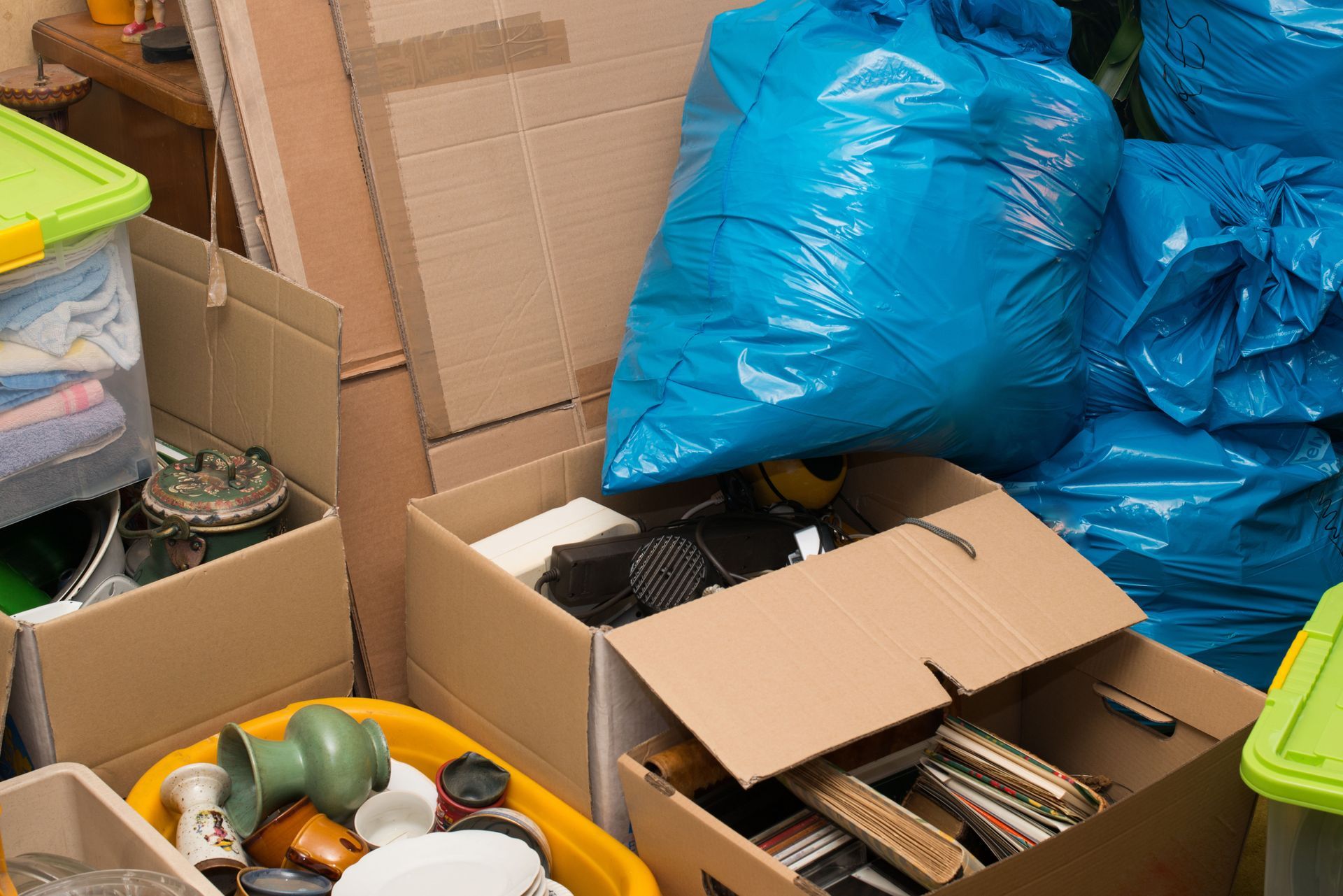
A detailed plan can help prevent an estate cleanout from becoming disorganized. Families should begin by identifying the rooms, storage areas, garages, sheds, and outdoor spaces that need attention. It is also helpful to establish a target completion date based on a property sale, lease deadline, or other obligation. Estate cleanout services may assist with creating a removal schedule that matches the size and condition of the property. Each room can be divided into categories such as keep, donate, sell, recycle, dispose, or review later. Labeling boxes and using separate areas for each category can prevent important items from being mixed with unwanted materials. Family members should also decide who has authority to make final decisions about belongings. A written plan creates accountability and gives everyone a clearer understanding of the next steps.
Sorting Belongings With Care
Sorting an estate requires patience because useful, valuable, and sentimental items may be located throughout the property. Important documents should be gathered before furniture, boxes, or miscellaneous materials are removed. Families may need to look for wills, insurance papers, property records, financial statements, photographs, and personal identification. Estate cleanout services can remove approved items after family members have completed their review. Items with possible monetary value should be evaluated before being placed in a donation or disposal pile. Jewelry, collectibles, antiques, tools, and electronics may require separate consideration. If several relatives are involved, photographs of certain belongings can help everyone review decisions when they cannot be present together. Careful sorting reduces the possibility of accidentally discarding something important.
Separating Sentimental Items From General Waste
Sentimental belongings deserve a different process from ordinary household junk. A box of letters may have little resale value but may be deeply meaningful to a family member. Clothing, books, artwork, and small personal objects can also preserve memories of the person who lived in the home. Families may choose to keep a limited number of items that represent important relationships or experiences. Estate cleanout services can help remove the remaining materials after sentimental decisions have been made. Creating a memory box or taking photographs of larger items may allow relatives to preserve memories without keeping everything. It is useful to ask whether an item has personal meaning, practical use, or a realistic place in someone’s home. This approach can make downsizing easier while still respecting the history connected to the property.
Preparing Items for Donation or Resale
Many estate belongings may still be useful to other people even when the family no longer needs them. Furniture, kitchenware, clothing, books, tools, and household supplies can often be donated if they are clean and in usable condition. Items with potential resale value should be separated from general donations before removal begins. Estate cleanout services may help organize the remaining materials so that donations, recycling, and disposal are handled separately. Families should avoid assuming that every item can be accepted by a charitable organization. Some groups have restrictions involving mattresses, damaged furniture, outdated electronics, or large appliances. Calling ahead can prevent unnecessary transportation and wasted time. A clear donation and resale process can also reduce the amount of material sent to a landfill.
Managing Heavy and Difficult Materials
Estate properties frequently contain bulky furniture, appliances, exercise equipment, outdoor items, and heavy boxes. Moving these materials can create safety concerns when family members are not prepared for the physical work. Stairs, narrow hallways, uneven flooring, and crowded rooms can make removal more difficult. Estate cleanout services provide trained workers and appropriate equipment for handling many large or awkward items. Families should not attempt to move heavy objects alone if doing so could cause injury or property damage. Before removal begins, workers should identify obstacles and determine how each item will be carried out. Protective measures may be needed to prevent damage to walls, floors, doors, and stairways. Professional handling can make the cleanout more efficient while reducing unnecessary physical strain.
Addressing Appliances and Electronic Waste
Old appliances and electronics may require special disposal methods because of their size, materials, or environmental impact. Refrigerators, freezers, air conditioners, televisions, computers, and other devices should not automatically be placed with ordinary household trash. Some equipment contains refrigerants, batteries, or components that require approved handling. Estate cleanout services can help identify materials that need separate removal or recycling. Families should also remove personal data from computers, phones, tablets, and storage devices before they are donated or discarded. Appliances that still work may be suitable for donation or resale if they meet the receiving organization’s requirements. Damaged electronics should be directed to an appropriate recycling program whenever possible. Handling these items properly supports a safer cleanout and helps reduce avoidable environmental harm.
Reviewing Property and Safety Concerns
An estate cleanout is also an opportunity to identify hazards that may have developed inside or around the property. Families should watch for water damage, mold, unstable shelving, broken glass, exposed wiring, pest activity, and damaged flooring. These conditions may affect how workers enter rooms or remove belongings. Estate cleanout services can report visible concerns, but specialized repairs may require contractors, electricians, plumbers, or environmental professionals. Valuable items should be stored securely while the property is being cleared. Doors, windows, garages, and storage areas should be checked before the final departure. Utility access and alarm systems may also need attention if the property will remain vacant. Addressing safety concerns early can help protect people, belongings, and the property itself.
An estate cleanout is not simply the removal of unwanted household items. It is a transition that may involve memories, family responsibilities, property concerns, and difficult decisions. A careful process gives relatives time to identify important belongings while allowing routine removal work to move forward. Estate cleanout services can support this process by handling labor, sorting approved materials, and helping families prepare the property for its next purpose. Planning ahead, communicating clearly, and separating sentimental items from general waste can prevent many common problems. Professional assistance may also reduce physical risks and help ensure that special materials are handled properly. Families do not have to manage every part of the cleanout alone. Contact Best Junk Removal today to discuss estate cleanout needs and arrange respectful, dependable assistance during this important transition.